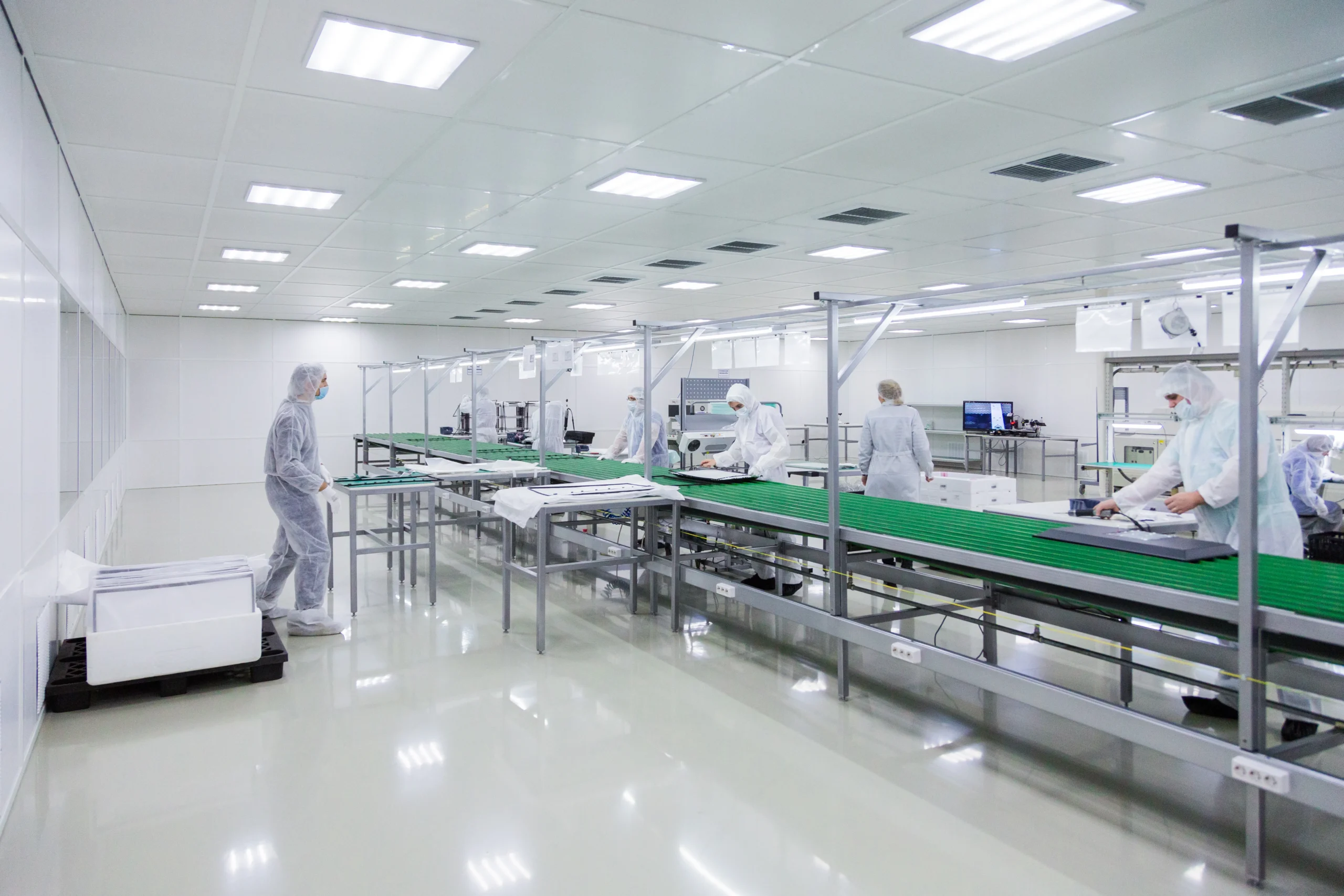
In pharmaceutical manufacturing, maintaining a contamination-free environment is critical for product safety and quality. Even microscopic particles or microorganisms can compromise sterile products and affect patient safety.
This is where clean room equipment plays a crucial role. Advanced clean room systems help maintain controlled environments that meet strict pharmaceutical and regulatory standards.
What Is a Clean Room?
A clean room is a specially designed controlled environment where airborne particles, temperature, humidity, and pressure are carefully regulated.
Clean rooms are commonly used in:
- Injectable pharmaceutical manufacturing
- Vaccine production
- Biotechnology laboratories
- Medical device manufacturing
- Sterile filling and packaging lines
These environments are designed to minimize contamination and maintain sterile production conditions.
Importance of Clean Room Equipment
Clean room equipment helps pharmaceutical manufacturers maintain hygienic and contamination-free operations. It ensures:
- Controlled airflow
- Airborne particle filtration
- Pressure balance between rooms
- Safe material and personnel movement
- Reduced microbial contamination
Without proper clean room systems, pharmaceutical products may fail quality standards and regulatory requirements.
Key Types of Clean Room Equipment
1. Laminar Air Flow (LAF) Units
LAF systems provide unidirectional filtered airflow to maintain sterile working conditions during manufacturing and sampling operations.
2. Pass Boxes
Pass boxes are used to transfer materials between cleanroom areas without disturbing air quality or introducing contaminants.
3. Air Showers
Air showers remove dust and particles from personnel before entering controlled areas using high-velocity filtered air.
4. Biosafety Cabinets
These cabinets protect operators, products, and the environment during sensitive pharmaceutical and laboratory operations.
5. HEPA Filtration Systems
HEPA filters remove up to 99.97% of airborne particles, ensuring superior air cleanliness inside the cleanroom.
Benefits of Clean Room Equipment
Enhanced Product Safety
Clean room systems reduce contamination risks and help maintain sterile manufacturing conditions.
Regulatory Compliance
Proper cleanroom infrastructure supports compliance with GMP, FDA, and ISO cleanroom standards.
Improved Production Quality
Controlled environments ensure consistent product quality and process reliability.
Better Operational Efficiency
Modern clean room equipment improves workflow, contamination control, and overall production efficiency.
Role of HEPA Filters in Clean Rooms
HEPA (High-Efficiency Particulate Air) filters are one of the most important components of cleanroom systems.
They help:
- Remove airborne contaminants
- Maintain clean airflow
- Protect sensitive pharmaceutical products
- Support aseptic manufacturing environments
HEPA-filtered airflow is essential for sterile pharmaceutical production areas.
Why Pharmaceutical Industries Need Clean Rooms
Pharmaceutical products such as injectables, ophthalmic solutions, vaccines, and biologics require sterile manufacturing environments.
Clean room equipment helps:
- Prevent cross-contamination
- Maintain aseptic conditions
- Protect products from environmental exposure
- Ensure patient safety
Without proper contamination control systems, pharmaceutical manufacturing becomes highly risky and non-compliant.
Conclusion
Clean room equipment is essential for safe and efficient pharmaceutical manufacturing. It supports contamination control, product quality, regulatory compliance, and sterile production processes.
As pharmaceutical technologies continue to advance, the demand for high-performance clean room solutions will continue to grow.
👉 Looking for reliable clean room equipment and pharmaceutical solutions? Contact Mahashakti PharmaMach for advanced, GMP-compliant systems and expert support.